
The Energy And Resources Institute.
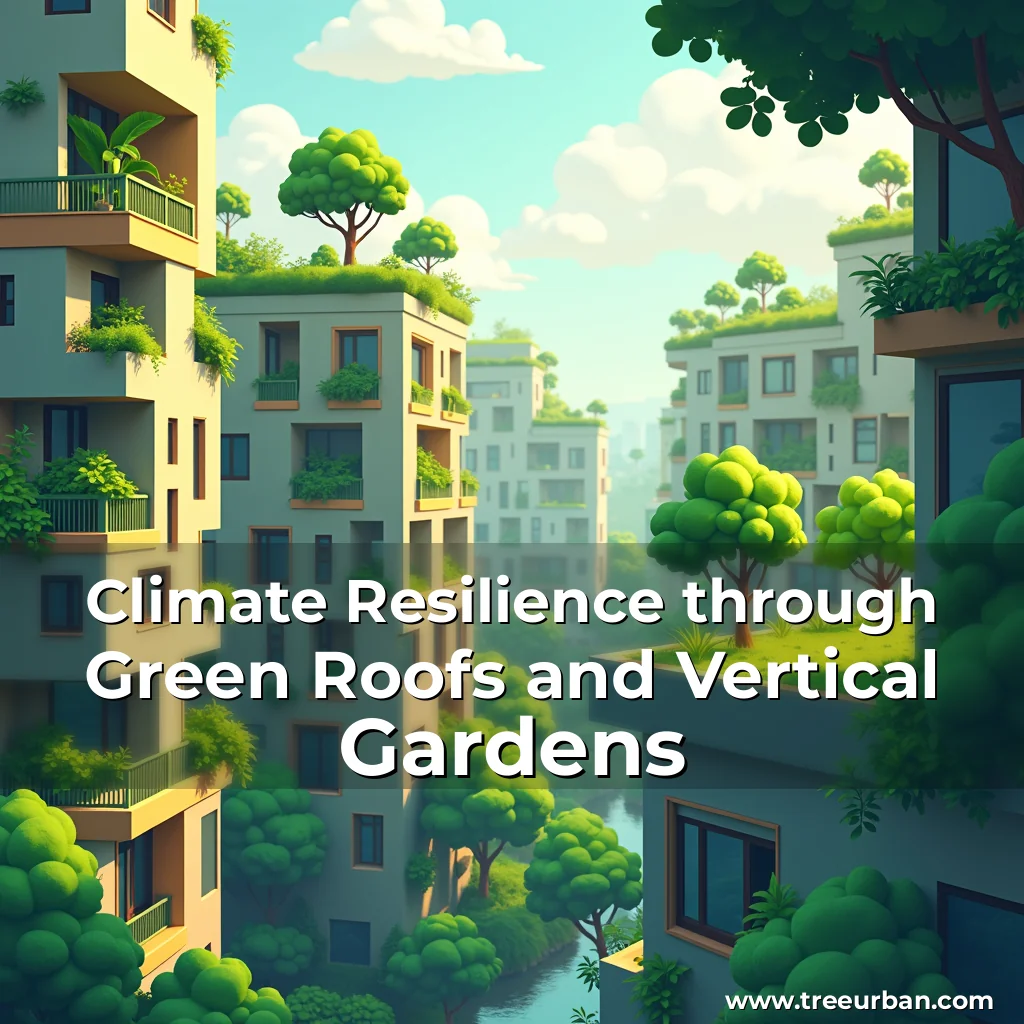
India is experiencing a dramatic rise in temperatures, with new temperature records being set each year. The Urban Heat Island (UHI) effect, where urban areas become hotter than their rural surroundings due to concrete and asphalt, is a major contributor to this crisis. Green roofs and vertical gardens, however, offer a solution to this problem.
Benefits of Green Roofs and Vertical Gardens
- Reduce indoor temperatures by up to 20°C
- Reduce air-conditioning needs by 20–80 percent
- Clean the air via photosynthesis
- Offer habitats to birds and insects
- Improve acoustic insulation
- Protect building envelopes from sun, wind, and rain
Design and Structural Assessment
Green roofs and vertical gardens are not plug-and-play solutions. Proper design and structural assessment are essential, particularly for load-bearing capacity of buildings, especially older ones. Green systems add weight, so safety must come first. Water management is also critical as poor drainage can lead to leaks, mold, and damage.
Plant Selection and Maintenance
Native, drought-tolerant species thrive with less care and support local biodiversity. Details like leaf area index (LAI) and canopy density influence shading, cooling, and air purification. Maintenance is non-negotiable: from pruning to checking irrigation lines, green infrastructure requires stewardship.
Green Infrastructure and Job Creation
- Horticulturists, system designers, installers, and maintenance professionals are in growing demand
- Community-led efforts play a powerful role in reclaiming rooftops and walls
- Green infrastructure can bring jobs and economic benefits
Retrofitting Existing Buildings
Retrofitting existing buildings is a practical pathway to green entire neighborhoods without the need for large-scale redevelopment. This approach offers a scalable, low-footprint strategy, improving comfort, cutting energy use, and enhancing aesthetics and property value.
Policy Support and Public-Private Partnerships
A key barrier to the adoption of green roofs and vertical gardens remains the lack of policy support, technical guidance, and financial incentives. Public-private partnerships can unlock funding, and academia can provide support through research and skill development.
Conclusion
Green roofs and vertical gardens are climate solutions and community assets, not luxury features. Raising public awareness is crucial to shift perception and create demand. The shift from concrete to canopy is not merely aesthetic or environmental—it is a matter of survival, equity, and quality of life. The time to act is now with more than pilot projects. We need policy, partnerships, and public will.