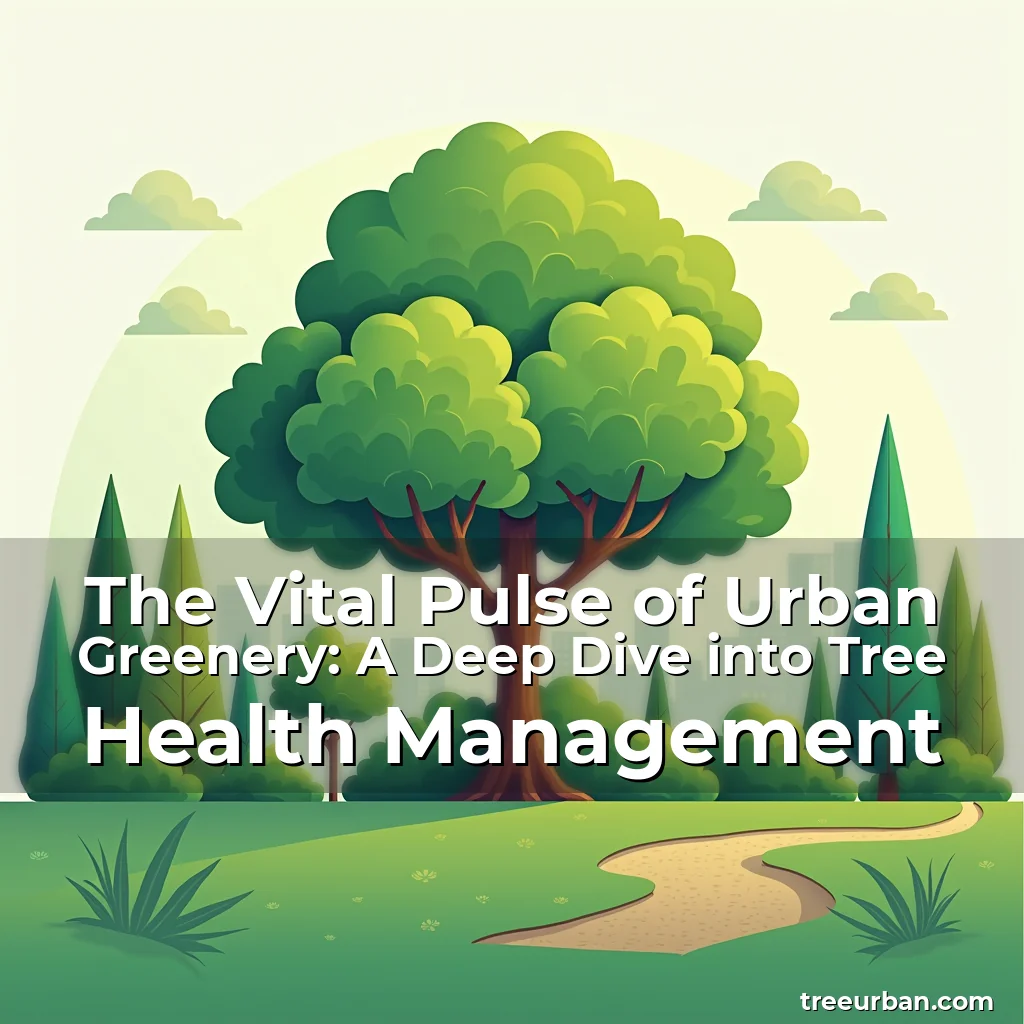
The Vital Pulse of Urban Greenery: A Deep Dive into Tree Health Management
In the heart of our bustling cities, trees stand as silent sentinels, offering shade, oxygen, and an irreplaceable sense of tranquility. Yet beneath their towering presence lies a complex web of biological processes that dictate their vitality.
Understanding tree health is not merely an act of appreciation but a crucial responsibility for urban dwellers who depend on these green giants for environmental balance and quality of life improvements.
The Science Behind Healthy Trees
Trees thrive through a delicate equilibrium between photosynthesis, respiration, and nutrient absorption from the soil. This natural cycle ensures they can withstand seasonal changes while providing continuous ecological benefits.
A healthy root system forms the foundation of robust tree growth. Roots absorb water and minerals essential for development, while also anchoring the tree against strong winds and storms.
Environmental stressors such as drought, pollution, and compacted soils disrupt this balance, making early detection of issues critical for long-term survival.
Monitoring leaf coloration patterns helps identify potential problems before they escalate into severe conditions affecting overall tree wellness.
- Photosynthetic efficiency: Directly impacts energy production rates which influence growth speed and resilience during adverse weather events.
- Soil composition analysis: Reveals deficiencies in key nutrients like nitrogen or phosphorus that may hinder normal physiological functions within the plant body.
Disease Detection & Prevention Strategies
Recognizing signs of disease early allows homeowners and city planners alike to implement timely interventions preventing widespread damage across entire neighborhoods.
Fungal infections often manifest through discolored bark textures or unusual spots appearing on foliage surfaces; prompt treatment reduces chances of irreversible harm occurring over time.
Pest infestations contribute significantly towards weakening tree structures by feeding off vital tissues required for sustained existence.
Maintaining good air circulation around trunks minimizes humidity levels conducive to mold spore proliferation near ground level areas where moisture tends accumulate naturally.
Common Pests Threatening Urban Canopies
Emerald ash borers have devastated millions of ash trees nationwide due primarily to lack sufficient monitoring protocols being followed consistently enough throughout affected regions.
Bark beetles target weakened specimens first before spreading further outward creating cascading effects impacting broader ecosystems reliant upon stable arboreal populations.
Eradication methods include injecting systemic insecticides directly into infected wood samples collected periodically from high-risk zones identified via satellite imagery technology combined with local field surveys conducted annually.
Biological control measures utilizing parasitic wasps show promising results when applied strategically alongside chemical treatments aimed at reducing pest numbers without harming beneficial organisms coexisting nearby habitats.
Nutrient Requirements for Optimal Growth
Regular fertilization programs tailored specifically toward native species present help replenish depleted mineral reserves lost gradually through years of exposure to various climatic factors influencing soil chemistry properties regularly.
Organic matter amendments enhance microbial activity underground promoting better decomposition cycles resulting improved availability uptake mechanisms facilitating faster recovery periods post-stressful episodes experienced previously.
Over-fertilizing poses risks including salt accumulation leading excessive runoff polluting adjacent water sources thereby endangering aquatic wildlife dependent those same resources for sustenance purposes.
Carefully calibrated application schedules based scientific research findings ensure optimal nourishment delivered precisely when most effective enhancing longevity performance metrics observed long term studies tracking population trends over decades.
Watering Practices That Support Longevity
Proper irrigation techniques prevent both under-watering scenarios causing dehydration symptoms observable through wilting leaves falling prematurely compared usual shedding patterns associated typical seasonal transitions.
Deep watering encourages stronger root systems capable retaining moisture longer durations thus increasing resistance capabilities against sudden temperature fluctuations common occurrences urban environments characterized rapid microclimate variations daily basis.
Sprinkler systems designed deliver even distribution pattern avoid localized saturation points developing puddling effect damaging lower trunk portions susceptible rot formation especially moist climates prone frequent rainfall events.
Drip irrigation proves particularly advantageous delivering precise amounts reaching targeted locations minimizing evaporation losses maximizing hydration efficiencies achieved efficiently conserving precious freshwater supplies simultaneously supporting healthier canopy developments aboveground.
Pruning Techniques for Structural Integrity
Strategic pruning removes hazardous branches posing threats pedestrians vehicles below ensuring public safety remains prioritized whenever maintenance activities undertaken regularly scheduled intervals.
Removing deadwood improves aesthetics enhances airflow circulation reduces likelihood fungal diseases taking hold spaces otherwise occupied decaying material would provide ideal breeding grounds pathogens seeking suitable hosts.
Cutting back overly dense clusters lightens load weight distributed evenly throughout framework decreasing probability structural failures triggered unbalanced pressure distributions unevenly loaded limbs.
Seasonal timing matters greatly determining success outcomes obtained following each procedure; late winter months typically preferred period executing removal operations avoiding unnecessary stress imposed additional healing phases initiated afterward.
Urban Challenges Impacting Tree Survival Rates
Compacted soils restrict root expansion limiting access adequate oxygen necessary cellular respiration processes occurring deep underground layers responsible transporting nutrients upward through vascular channels connecting all parts organism together seamlessly.
Limited space constraints force roots grow upwards rather than outwards leading shallow foundations incapable holding substantial mass securely place subjected forces encountered everyday living conditions cityscapes.
Heat islands created asphalt roads concrete buildings elevate temperatures surrounding vicinity beyond what originally intended nature allowing prolonged periods extreme heatwaves damaging sensitive tissues unable adapt quickly changing circumstances presented suddenly without warning.
Light pollution alters circadian rhythms disrupting natural photoperiod cues governing developmental stages plants rely accurately synchronize internal clocks align external environment stimuli received consistently throughout year.
Community Involvement in Tree Care Initiatives
Local governments partner residents volunteers establish neighborhood watch programs focused identifying reporting distressed specimens requiring immediate attention prior situations worsen irreversibly.
Educational workshops teach basic diagnostic skills enabling individuals recognize early indicators decline helping take corrective actions swiftly averting full-blown crises erupting later down road.
Adopt-a-tree schemes encourage personal investment fostering deeper connections nurturing stewardship attitudes cultivating lifelong commitment protecting urban forests cherished assets communities everywhere.
Data collection efforts facilitated smartphone apps allow crowdsourcing information regarding locations suffering ailments aiding researchers develop predictive models forecasting future outbreaks based historical records analyzed thoroughly using advanced analytics tools available today.
Future Trends in Sustainable Arboriculture
Advancements biotechnology offer innovative solutions addressing persistent challenges faced modern landscapes striving maintain lush verdant corridors amidst ever-expanding infrastructure projects underway continuously reshaping horizons visible skyline lines drawn maps updated frequently reflecting dynamic transformations happening real-time.
Genetically modified varieties resistant prevalent pests diseases could revolutionize how we approach conservation strategies currently reliant traditional pesticides herbicides known cause collateral damage non-target species inhabiting same ecosystems undergoing similar pressures facing change.
Smart sensors embedded within trunks transmit data wirelessly cloud platforms monitored experts worldwide collaborate interpret readings adjusting care regimens dynamically responding fluctuating conditions detected automatically without human intervention needed manually check status reports generated hourly updates streamed live feeds accessible anywhere internet connection exists.
Collaborative international agreements set standards minimum requirements tree planting initiatives launched globally aiming restore degraded lands transform barren expanses thriving biodiverse havens supporting countless creatures depending interdependent relationships maintained carefully cultivated networks interconnected webs life sustaining planet Earth itself.
Conclusion
Tree health encompasses multifaceted dimensions demanding thorough understanding intricate interactions occurring microscopic macroscopic scales simultaneously shaping destinies individual specimens collectively forming vibrant ecosystems enriching lives immeasurable ways.
By adopting proactive management practices embracing cutting-edge technologies working closely neighbors authorities dedicated preservation causes, we secure legacy greener tomorrow generations yet unborn inherit beautiful world filled wonder inspiration provided nature’s gifts bestowed freely upon us since beginning times.
“`<|End of response|>“`