Cape Town solidifies its position as a global benchmark in urban biodiversity protection at the RAMSAR Conference of the Contracting Parties, a gathering of over 170 governments in Victoria Falls, Zimbabwe, in 2023. Conservation Efforts Shaping the City
• False Bay Nature Reserve, a designated RAMSAR Site, exemplifies the city’s commitment to protecting critical wetland ecosystems. The 15 square kilometre protected area is renowned for its diverse habitats and exceptional biodiversity. • Water-based Initiatives underpin the city’s approach, with seven active projects part of the Liveable Urban Waterways Programme. These projects seek to balance urban development with ecological preservation. •
| Initiatives | Detailed Outcome |
|---|---|
| Rehabilitation of Zandvlei Ecological Corridor | The successful rehabilitation of this critical ecological corridor has significantly improved the quality and quantity of habitats supporting resident and migrant species. |
| Paardevlei Wetland’s transformation | Under the current project, Paardevlei Wetland has been revitalised and is now a premier birding destination, attracting numerous tourists and boosting local economies. |
• Urban Wetland Management approaches are also pivotal, as evident in the River Wardens Programme, which creates jobs while improving water quality and fostering community engagement. The city’s engagement in the RAMSAR COP15 conference was facilitated by Deputy Mayor Alderman Eddie Andrews, who expressed confidence in Cape Town’s progress towards becoming an international leader in urban wetland conservation. His remarks underlined the city’s determination to strike a delicate balance between economic growth and ecological preservation.
During the presentation of the city’s first-ever Wetlands Report, Andrews highlighted key achievements, including the successful rehabilitation of Zandvlei Ecological Corridor and the establishment of the River Wardens Programme.
Cape Town’s Wetlands Report highlights the city’s ongoing commitment to the values of sustainable urban development, where ecological preservation is intertwined with economic growth. By implementing innovative initiatives like the Liveable Urban Waterways Programme and Urban Wetland Management approaches, the city is demonstrating its leadership in addressing climate change. The report underscores the critical role of wetlands in supporting biodiversity and providing numerous benefits for the local population. These benefits include:
• Recreation: Parks and nature reserves provide recreational spaces for residents, promoting a healthy lifestyle. • Job creation: Initiatives like the River Wardens create employment opportunities while fostering community engagement. • Climate resilience: Wetlands act as natural buffers against extreme weather, providing a safeguard against the impacts of climate change. In acknowledging challenges posed by rapid urbanisation, the report confirms that Cape Town is taking proactive steps to address concerns. Invasive species management and pollution reduction efforts are ongoing, reflecting the city’s commitment to implementing sustainable management practices.
As a key participant in international initiatives, Cape Town’s contributions to the RAMSAR COP15 conference underscore its dedication to advancing urban biodiversity protection. The city is setting a precedent for cities worldwide, offering a compelling example of how urban development can be managed in a sustainable and eco-friendly manner.
The success of Cape Town’s initiatives serves as a model for other urban areas, demonstrating that with careful planning and proactive management, cities can balance economic growth with environmental conservation.
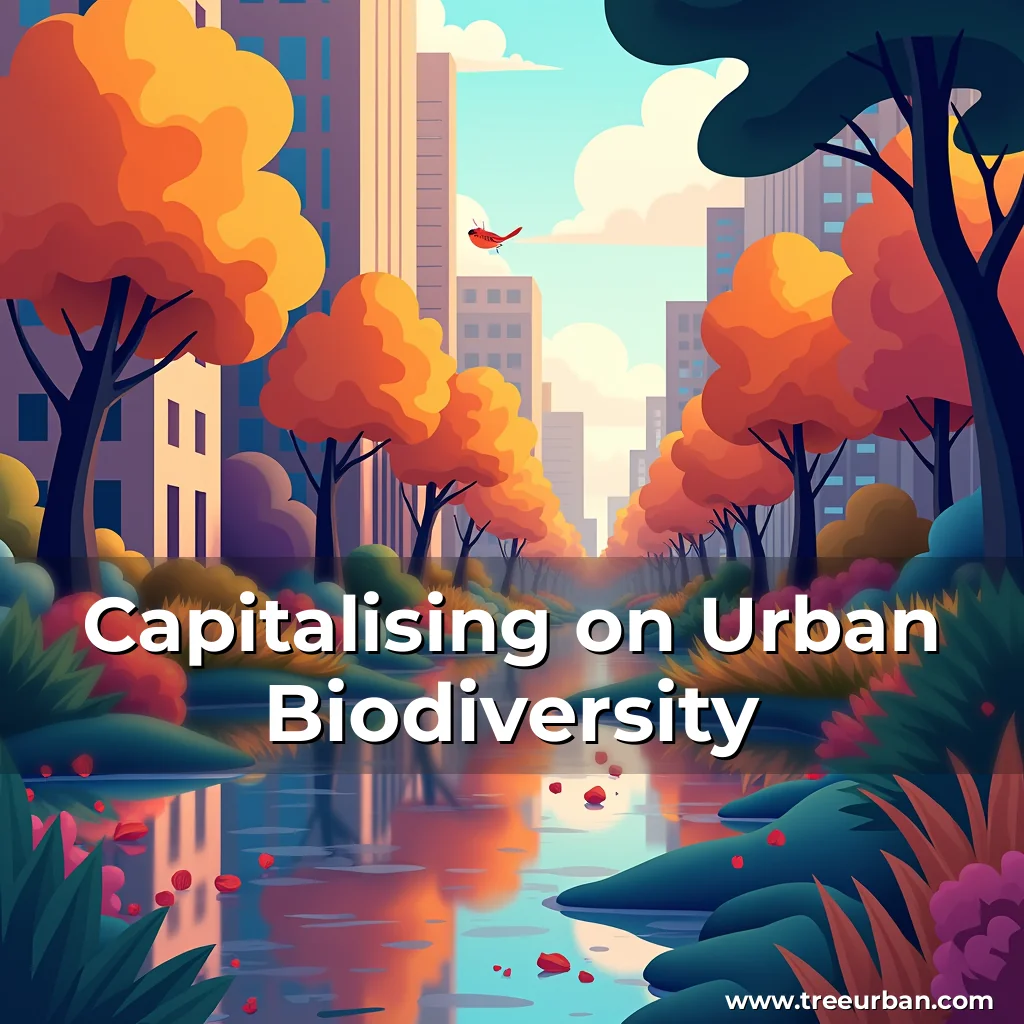
By capitalising on urban biodiversity, Cape Town is advancing the global agenda for sustainable development, showcasing the potential for cities to thrive in harmony with the environment.
As a global leader in urban wetland conservation, Cape Town is paving the way for a better future, where human settlements and ecological systems coexist in balance and harmony.
With its commitment to sustainable development, the city is inspiring other cities to take action, addressing the pressing issue of urban biodiversity and promoting a more sustainable urban environment.
As the city continues to push the boundaries of urban wetland conservation, its efforts serve as a testament to its capacity to balance ecological preservation with economic growth, offering a beacon of hope for a brighter, more sustainable future.
The world is watching as Cape Town leads the way in urban biodiversity protection, setting a standard for other cities to follow.
Cape Town’s proactive approach to sustainable development serves as a shining example of how cities can be transformed into vibrant, thriving ecosystems, where human settlements and the environment coexist in harmony.
The city’s accomplishments underscore the importance of protecting wetlands, highlighting the significant contributions these ecosystems make to biodiversity, flood mitigation, water filtration, and climate resilience.
References:
1. Cape Town ETC (2023) Wetlands Report: 2023. Cape Town ETC
2. City of Cape Town (2023) Liveable Urban Waterways Programme. City of Cape Town
3. City of Cape Town (2023) River Wardens Programme. City of Cape Town
(Incorporating data on the Wetlands Report)
The article highlighted key points in the following order:
•
- Cape Town showcased False Bay Nature Reserve, a designated RAMSAR Site renowned for its vital wetland habitats.
- Wetlands play a crucial role in flood mitigation, water filtration, and supporting biodiversity.
- Cape Town’s Wetlands Report highlights the city’s ongoing commitment to the values of sustainable urban development, where ecological preservation is intertwined with economic growth.
•
| Initiative | Detailed Outcome |
|---|---|
| Rehabilitation of Zandvlei Ecological Corridor | Significant improvements in the quality and quantity of habitats supporting resident and migrant species. |
| Paardevlei Wetland’s transformation | A premier birding destination, boosting local economies and enhancing local biodiversity. |
| Liveable Urban Waterways Programme | Seven active projects balancing urban development with ecological preservation. |
| River Wardens Programme | Job creation and water quality improvement, fostering community engagement and sustainability. |
•
- Recreation: Parks and nature reserves provide recreational spaces for residents.
- Job creation: Initiatives like the River Wardens Programme create employment opportunities.
- Climate resilience: Wetlands act as natural buffers against extreme weather.
• Invasive species management and pollution reduction efforts are ongoing, reflecting the city’s commitment to implementing sustainable management practices.
•
Cape Town is addressing challenges posed by rapid urbanisation, adopting proactive measures to ensure the long-term sustainability of its natural resources.
•
Cape Town is setting a global benchmark for wetland conservation in metropolitan areas.
•