The Urban Canopy: Transforming Cities Through Strategic Street Tree Planting
In an era where concrete jungles dominate our skylines, street trees emerge as vital lifelines connecting urban dwellers to nature’s restorative power. These carefully placed green sentinels along city streets do far more than add aesthetic appeal; they form the backbone of sustainable urban ecosystems.
With climate change intensifying heat islands and air pollution reaching dangerous levels in many cities, strategic planting programs are redefining modern urban design. From reducing energy consumption through natural shading to capturing carbon emissions at ground level, these trees are reshaping how we think about city living.
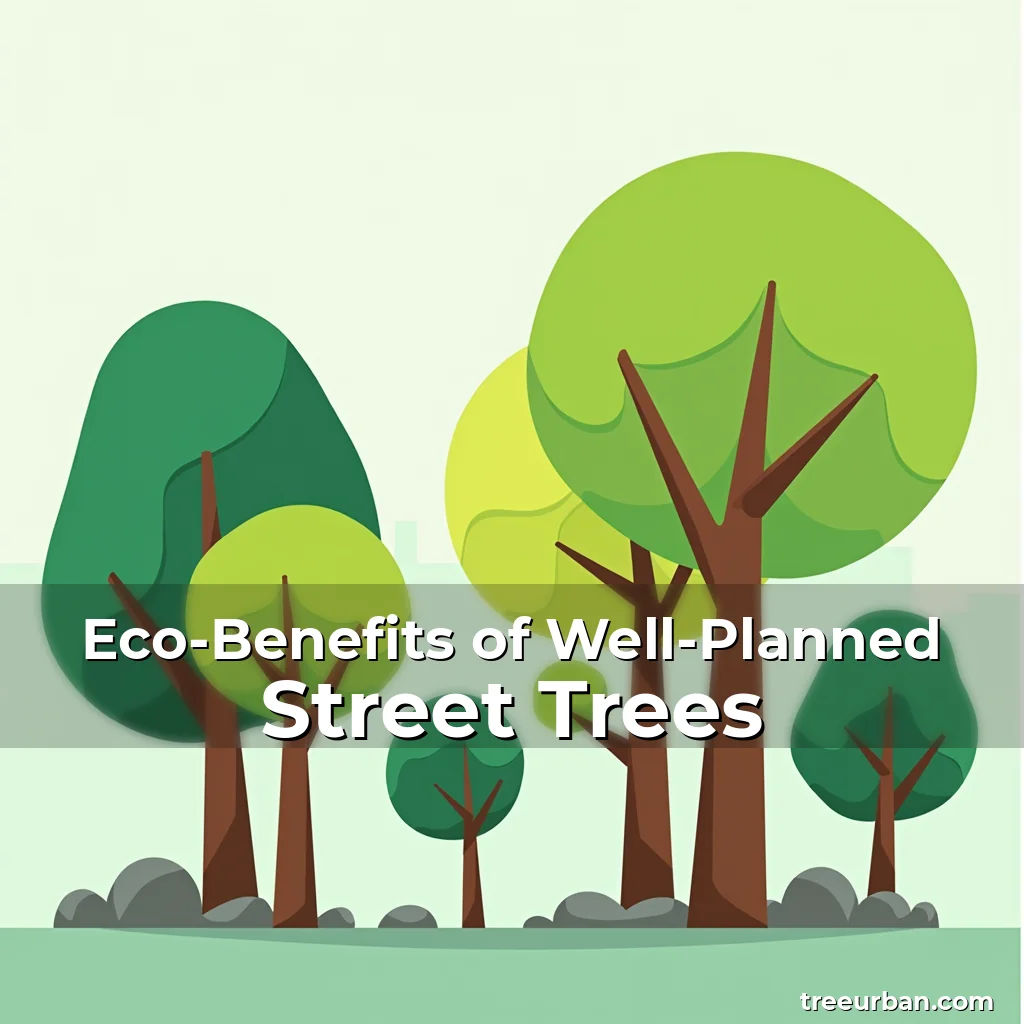
Eco-Benefits of Well-Planned Street Trees
A mature street tree can provide shade equivalent to four parking spaces, significantly lowering ambient temperatures in densely built environments. This cooling effect reduces the need for air conditioning, decreasing both energy costs and greenhouse gas emissions from power plants.
Beyond temperature regulation, street trees act as natural air filters. Their leaves capture particulate matter ranging from fine dust to vehicle exhaust pollutants, improving local air quality by up to 60% according to recent studies conducted in major metropolitan areas.
- Pollution Reduction: A single healthy tree can absorb approximately 26 pounds of carbon dioxide annually while producing enough oxygen for two people each day.
- Stormwater Management: Root systems help infiltrate rainwater, reducing runoff that often overwhelms aging sewer infrastructure during heavy storms.
Urban forests also contribute to biodiversity conservation. By providing habitats for birds, insects, and small mammals, strategically planted trees create ecological corridors within the built environment, supporting wildlife populations threatened by habitat fragmentation.
These benefits compound over time as trees grow larger. While young saplings may offer limited advantages, decades-old specimens become powerful environmental assets, making long-term investment in tree planting crucial for future generations.
Design Principles for Effective Street Tree Placement
Successful implementation requires careful consideration of site-specific conditions. Factors such as soil type, available space, and utility lines all influence which species will thrive in particular locations. Consulting arborists and landscape architects ensures optimal placement decisions.
Tree selection is critical for maximizing benefits without creating maintenance nightmares. Deciduous species like London plane trees provide summer shade while allowing winter sunlight, whereas evergreens maintain year-round screening properties useful for noise reduction.
Spacing requirements vary depending on growth habits. Fast-growing species might need wider intervals to prevent root conflicts, while slower-growing varieties can be planted closer together when sufficient underground space exists.
Infrastructure compatibility is another key factor. Underground utilities require adequate clearance around roots, and overhead power lines dictate minimum canopy height requirements. Proper planning prevents costly damage to both trees and urban infrastructure.
Community Engagement in Urban Forestry
Cities that involve residents in tree care initiatives see higher survival rates and greater public appreciation for their urban forest. Community gardeners, neighborhood associations, and school groups all play essential roles in maintaining these green assets.
Participatory approaches foster environmental stewardship among citizens. When individuals take personal responsibility for caring for nearby trees, they develop stronger connections to their neighborhoods and understand better the value of green spaces.
Local governments benefit from increased civic engagement too. Volunteers assist with tasks like mulching, watering, and monitoring for pests, lightening the workload for municipal crews responsible for thousands of trees across sprawling metropolises.
Education campaigns raise awareness about proper pruning techniques and pest identification skills. Knowledgeable residents can spot early signs of disease or infestation before problems escalate beyond professional intervention capabilities.
Some municipalities have developed citizen science platforms where volunteers report observations about tree health conditions using smartphone apps. This crowdsourced data helps officials prioritize maintenance efforts based on real-time information rather than fixed schedules alone.
Economic Impacts of Healthy Urban Forests
Well-maintained street trees enhance property values by up to 15%, according to research from urban economics departments at leading universities. Homebuyers consistently show preference for residences near established shade trees, recognizing their long-term financial benefits.
The tourism industry also profits from attractive tree-lined avenues. Iconic boulevards featuring historic specimen trees draw visitors seeking scenic walks and photo opportunities, boosting local businesses catering to tourists’ needs.
Municipal budgets benefit indirectly through reduced healthcare expenditures related to poor air quality. Studies indicate lower respiratory illness incidence in communities with robust tree cover compared to those lacking significant greenery.
Energy savings translate directly into cost reductions for both residential and commercial sectors. Shaded buildings consume less electricity for cooling, resulting in measurable decreases in monthly utility bills for homeowners and business operators alike.
Public works departments save money by mitigating stormwater management issues through natural infiltration provided by tree roots. This reduces the frequency of expensive repairs required for overwhelmed drainage systems after intense rainfall events.
Challenges Facing Modern Urban Tree Programs
Space limitations pose one of the greatest obstacles to expanding urban forestry initiatives. In high-density developments, there’s often insufficient room for new plantings without compromising existing infrastructure elements like sidewalks or roadways.
Drought resistance becomes increasingly important as climate patterns shift unpredictably. Selecting drought-tolerant native species improves chances of survival during prolonged dry periods, though initial establishment phases still require supplemental irrigation until root systems fully develop.
Soil compaction from heavy traffic negatively impacts tree health by restricting water absorption and nutrient uptake. Specialized root barriers or engineered soils sometimes necessary to ensure adequate growing conditions beneath pavement surfaces.
Pest outbreaks threaten even well-managed tree populations. Emerald ash borer infestations have devastated entire species once common in North American cities, necessitating proactive replacement strategies focused on resistant alternatives.
Changing regulatory frameworks present additional hurdles. Zoning laws governing land use often conflict with proposed greening projects, requiring extensive negotiations between developers and municipal authorities to find mutually acceptable solutions.
Innovative Solutions for Urban Tree Integration
Green infrastructure innovations now enable creative coexistence between trees and urban development. Elevated planting beds allow trees to establish themselves above compacted soils while avoiding direct interference with below-ground utilities.
Sustainable landscaping practices incorporate permeable pavements that facilitate water penetration to tree roots without sacrificing pedestrian comfort or accessibility standards. These materials reduce surface runoff and promote healthier root zone moisture retention.
Biophilic design principles guide architects toward integrating vegetation seamlessly into building facades through trellised climbing plants or modular green walls containing potted specimens arranged to mimic natural landscapes.
Smart irrigation technologies optimize water usage by delivering precise amounts only when needed based on sensor readings measuring soil moisture levels and weather forecasts accurately predicting precipitation events.
Collaboration between disciplines leads to breakthroughs like bioengineered root systems capable of filtering contaminants from groundwater naturally while remaining structurally sound enough not to compromise surrounding structures.
Global Perspectives on Street Tree Initiatives
Cities worldwide implement diverse approaches tailored to local climates and cultural preferences. Tokyo’s meticulously maintained roadside groves feature precisely pruned Japanese maple trees forming uniform rows that contrast beautifully against monolithic skyscrapers.
Rio de Janeiro showcases Brazil’s commitment to urban greening through its iconic Christ the Redeemer statue surrounded by lush tropical foliage visible from miles away, symbolizing the country’s deep connection to nature despite rapid urbanization trends.
Vancouver pioneered the concept of “green streets” incorporating bioswales lined with native shrubs that filter stormwater while adding visual interest to otherwise utilitarian thoroughfares designed primarily for vehicular traffic flow.
Toronto’s “City Greening Strategy” emphasizes equitable distribution of tree coverage across different socioeconomic districts, ensuring all residents enjoy similar environmental benefits regardless of income level or geographic location within the city limits.
Lagos, Nigeria demonstrates how developing nations address pressing environmental challenges through large-scale afforestation campaigns targeting previously barren plots adjacent to busy marketplaces and transportation hubs experiencing severe heat island effects due to excessive asphalt paving.
Fostering Long-Term Success in Urban Forestry Projects
Establishing clear goals aligned with broader sustainability objectives creates focused direction for all stakeholders involved in managing urban forests. Metrics tracking progress toward targets help measure effectiveness and identify areas needing improvement.
Regular assessments involving professionals trained in arboriculture ensure ongoing health monitoring of individual trees and overall canopy integrity. Early detection of diseases or structural weaknesses allows timely interventions preventing catastrophic failures later on.
Adaptive management strategies recognize changing circumstances influencing tree performance over time. Climate projections guiding species selection today may differ significantly from what proves viable twenty years hence, requiring periodic reassessments and adjustments accordingly.
Public-private partnerships leverage combined resources effectively. Municipal governments provide regulatory oversight while private entities contribute funding, technical expertise, and innovative solutions benefiting everyone concerned with preserving urban green spaces.
Continuous education keeps communities informed about best practices regarding tree care and protection measures essential for sustaining these vital components of our urban environments for future generations to appreciate and utilize responsibly.
Conclusion
Street trees represent much more than decorative elements enhancing cityscapes; they embody commitments to environmental stewardship, social equity, economic vitality, and human well-being inherent in any thriving urban center.
To achieve lasting success, communities must embrace holistic approaches combining scientific knowledge with grassroots participation cultivating shared responsibility for nurturing the urban canopy that sustains us all. With dedication and innovation, every city can transform into a livable oasis where nature thrives alongside human habitation.