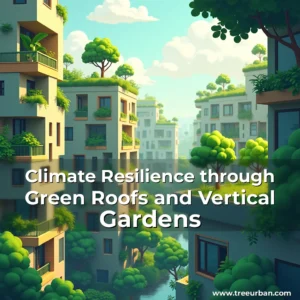
The Green Infrastructure Revolution: Transforming Urban Landscapes Through Nature-Based Solutions
In an era where urbanization accelerates at unprecedented rates, cities are increasingly turning to nature-based solutions to address environmental challenges. Among these, green infrastructure stands out as a transformative approach that integrates natural elements into urban environments to enhance sustainability, resilience, and quality of life.
This innovative strategy encompasses everything from rooftop gardens to permeable pavements, offering multifaceted benefits that extend beyond aesthetics. By embracing green infrastructure, communities can mitigate climate change impacts while fostering ecological balance within densely populated areas.
Understanding Green Infrastructure: A New Paradigm in Urban Planning
Green infrastructure represents a shift away from traditional gray infrastructure—concrete structures designed solely for functionality—to systems that leverage natural processes to provide essential services. This includes stormwater management, air purification, and biodiversity enhancement through strategically placed vegetation and water bodies.
Differentiating between conventional and sustainable approaches reveals how green infrastructure improves efficiency without compromising performance. For instance, bioswales filter pollutants naturally rather than relying on chemical treatments, reducing long-term maintenance costs significantly.
A key principle behind effective implementation is understanding local ecosystems and integrating native plant species that require minimal resources yet offer maximal environmental benefits. Such practices ensure that interventions align with existing ecological patterns rather than disrupting them further.
Moreover, incorporating multi-functional designs allows spaces to serve various purposes simultaneously. Parks might double as flood control zones during heavy rains, illustrating how thoughtful planning maximizes land use potential across different scenarios.
- Eco-friendly materials: Using recycled or sustainably sourced components reduces waste generation and supports circular economy principles.
- Biodiversity promotion: Planting diverse flora attracts pollinators and other wildlife, enhancing urban habitats and promoting ecological stability.
By prioritizing these foundational aspects, planners lay groundwork for resilient cities capable of adapting to future uncertainties brought by climate variability and population growth.
Benefits Beyond Environment: Social and Economic Impacts
The advantages of green infrastructure transcend mere environmental improvements; they significantly influence social dynamics and economic health within urban settings. Accessible green spaces contribute positively towards mental well-being, physical activity levels, and overall community cohesion.
Economically speaking, investments in such projects yield substantial returns over time through reduced healthcare expenditures linked to improved public health outcomes associated with cleaner air and increased outdoor recreation opportunities.
Furthermore, businesses located near vibrant green corridors often experience enhanced property values due to higher desirability among residents seeking livable neighborhoods combined with strong amenities nearby.
Statistical Evidence Supporting Investment in Green Spaces
Data from numerous studies underscored by organizations like WHO indicate that proximity to parks correlates strongly with lower incidences of cardiovascular diseases and respiratory ailments attributed partly to pollution exposure reduction facilitated by vegetative buffers around residential zones.
Additionally, research conducted by academic institutions highlights significant increases—in some cases up to 20%—in real estate prices surrounding well-maintained green belts compared to their non-green counterparts, emphasizing financial incentives tied closely with greening initiatives.
These figures reflect broader societal gains achievable when policymakers prioritize embedding nature into cityscapes effectively through targeted investment strategies aligned with both immediate needs and long-term visions regarding urban development trajectories.
Such evidence compels stakeholders ranging from municipal authorities down to individual homeowners considering private landscaping options alike toward adopting more environmentally conscious decisions impacting collective futures profoundly.
Case Studies: Successful Implementations Around the World
Cities globally have pioneered remarkable examples demonstrating successful integration of green infrastructure within complex urban frameworks. These case studies highlight best practices adaptable elsewhere depending upon regional specifics including climatic conditions and available space constraints.
Toronto’s “Green City Blue Economy” initiative showcases how combining blue (water-related) and green technologies creates synergistic effects beneficial for managing extreme weather events efficiently alongside supporting aquatic life preservation efforts concurrently.
New York’s High Line project transformed abandoned railway tracks into thriving public parklands featuring native plants curated specifically for urban survival traits ensuring low maintenance requirements post-installation phase completion.
Meanwhile Singapore has embraced extensive vertical gardening techniques across high-rise buildings thereby maximizing limited ground surface availability while maintaining aesthetic appeal crucial for tourism industries dependent heavily on visual attractiveness factors influencing visitor experiences.
Each example illustrates tailored applications addressing unique geographical features coupled with cultural preferences shaping final implementations’ success metrics measured primarily via resident satisfaction surveys indicating strong approval ratings following project completions.
Challenges Faced During Implementation and Strategies To Overcome Them
Despite compelling arguments favoring adoption of green infrastructures, several obstacles hinder widespread application necessitating strategic mitigation plans aimed at resolving identified issues promptly before they escalate into larger systemic problems affecting entire urban networks negatively.
Limited funding remains one primary challenge since initial capital outlay required constructing new facilities sometimes exceeds budgets allocated initially based purely on projected operational savings without accounting properly for upfront expenses involved thoroughly.
To counteract fiscal limitations creatively, governments could explore partnerships involving private sector entities willing invest in return-on-investment driven ventures expecting tangible revenue streams arising either directly through user fees collected or indirectly via elevated commercial activities flourishing nearby.
Public perception also plays critical role determining acceptance levels achieved particularly concerning proposed changes requiring alterations existing landscapes potentially perceived threats traditionality cherished identities deeply rooted histories certain locales preferring status quo continuity preferred above innovation pursuits.
Addressing misconceptions requires transparent communication campaigns educating populace comprehensively about scientific basis underlying methodologies employed ensuring informed decision-making supported empirical data proving efficacy reliability comparable alternatives traditionally favored historically.
Lastly, regulatory hurdles pose another barrier preventing swift execution especially regions lacking clear policies governing interdisciplinary collaborations necessary executing large scale undertakings demanding coordination multiple agencies each operating under distinct mandates requiring harmonized procedures streamlined approvals facilitating timely progress without bureaucratic delays impeding momentum forward direction intended goals.
Therefore developing robust legal frameworks enabling cross-sectoral cooperation becomes imperative step unlocking full potential offered modern ecological engineering advancements applicable myriad contexts varying greatly according to demographic profiles geographic locations resource availabilities etcetera.
Technological Innovations Enhancing Green Infrastructure Efficacy
Rapid technological advancement continues reshaping landscape possibilities afforded contemporary engineers scientists working hand-in-hand biologists ecologists creating cutting-edge tools optimizing performance capabilities surpassing earlier generations limitations constrained older methodologies reliance simplistic assumptions insufficiently nuanced real world complexities faced daily urban dwellers navigating ever-changing conditions dynamically shifting demands place.
Sensors embedded throughout smart grids monitor moisture levels soil composition nutrient availability providing precise feedback guiding automated irrigation schedules adjusting watering frequencies volumes accordingly preserving precious freshwater reserves avoiding unnecessary wastage incurred inefficient manual oversight methods previously standard practice.
Similarly drones equipped multispectral cameras conduct aerial assessments identifying stressed vegetation early allowing prompt intervention averting potential failures cascading negative consequences harming ecosystem integrity jeopardizing planned objectives undermined premature deterioration unforeseen external pressures threatening longevity established systems designed endure prolonged periods service without degradation quality outputs delivered consistently reliable manner expected standards maintained industry benchmarks exceeded expectations periodically reassessed evolving knowledge base expanding horizons continuously redefining what feasible achievable realistic targets set forth ambitious visionaries leading charge revolutionizing built environment interactions natural surroundings.
Artificial intelligence algorithms analyze vast datasets predicting optimal placement planting types based historical weather records current satellite imagery socioeconomic indicators contributing predictive models forecasting future scenarios aiding proactive measures taken preemptively mitigating risks otherwise difficult anticipate manage reactively after damage already occurred irreversible losses incurred irreplaceable assets compromised irreparably harmed unable recover fully without substantial additional effort investment directed remediation efforts.
Through such innovations, cities can create self-sustaining ecosystems capable of adapting autonomously to fluctuating environmental variables ensuring continued provision of essential services regardless prevailing circumstances encountered along journey toward achieving holistic sustainability ideals embodied core tenets green infrastructure philosophy.
Community Involvement: The Cornerstone Of Sustainable Development
Successful green infrastructure projects hinge critically on active participation from local communities who benefit most directly from implemented changes occurring around them day-to-day lives affected permanently unless engaged meaningfully throughout lifecycle beginning conceptualization stages proceeding through construction phases concluding operations maintenance routines ensuring sustained positive impact experienced collectively everyone invested shared goal enhancing living conditions improving overall wellbeing attuned sensitivity ecological consciousness cultivated gradually nurtured patiently developed overtime through consistent reinforcement repeated exposure educational programs informative workshops hands-on training sessions inviting citizens become stewards guardians entrusted responsibility caring protecting communal assets passed down legacy generations ahead.
Initiatives encouraging citizen science contributions empower individuals collect valuable data regarding biodiversity trends pollution levels microclimate variations informing policy decisions grounded solid factual foundation derived authentic grassroots sources rather abstract theoretical constructs disconnected lived realities actual people inhabiting territories subjected transformation undergone.
Volunteer-driven cleanups beautification drives foster sense ownership pride instill deeper appreciation inherent value green spaces serving dual roles recreational havens ecological sanctuaries preserving fragile balances threatened encroachment relentless expansion concrete jungles choking lifeblood nourishing urban cores.
Furthermore, inclusive design processes guaranteeing representation marginalized groups voices heard respected ensures equitable distribution benefits accrued across demographics preventing disparities widening gap wealth access privileges enjoyed privileged few deprived majority suffering consequences borne disproportionately heavier burdens unjust distributions inequitable allocations perpetuating cycles poverty isolation disconnection severing bonds once existed tightly knit societies now fractured splintered divisions deepening rifts hardening attitudes fostering resentment distrust eroding trust foundations necessary building cohesive functional societies capable coexisting peacefully harmoniously together.
By cultivating participatory cultures valuing input contributions every member society irrespective background origin expertise level, municipalities cultivate resilient adaptive communities prepared navigate uncertain terrains future confronting inevitable challenges arising unpredictable global shifts impacting delicate equilibrium painstakingly reconstructed painstaking labor collaboration countless individuals united common purpose advancing noble cause planetary stewardship safeguarding precious heritage entrusted custodianship.
Policies And Governance Structures Supporting Green Infrastructure Growth
Governments play pivotal roles establishing supportive legislative frameworks incentivizing adoption green infrastructure solutions across sectors industries municipalities corporations households alike through carefully crafted regulations tax incentives grants subsidies loan forgiveness schemes structured appropriately encouraging compliance voluntary adherence without imposing undue restrictions stifling innovation creativity hindering progress desired outcomes envisioned leaders envisioning prosperous future characterized harmony coexistence humanity nature.
Implementing zoning laws mandating minimum percentages open spaces within developments ensures baseline protection against unchecked sprawl paving way gradual transition denser urban forms incorporating vertical farms skybridges rooftop orchards interconnected pedestrian pathways minimizing vehicular dependence reducing carbon footprints substantially lowering emissions harmful greenhouse gases accelerating climate change exacerbating its worst manifestations felt acutely vulnerable populations least equipped cope repercussions inflicted harsher climates intensifying storms droughts floods heatwaves.
Financial mechanisms such as green bonds allow investors channel funds toward eco-conscious ventures generating competitive returns alongside environmental dividends realized through restored habitats cleaner air revitalized watersheds bolstering biodiversity indices measurable quantifiable metrics tracked monitored regularly updated publicly accessible platforms increasing transparency accountability fostering trust relationships between stakeholders sharing common interests pursuing mutual prosperity planet.
Local governance structures must remain agile responsive rapidly changing conditions leveraging technology digital platforms streamlining permitting processes expediting approvals reducing red tape bureaucracy enabling entrepreneurs pioneers test pilot ideas scaling proven models swiftly implementing scalable solutions replicable adapted varied contexts worldwide regardless geographical differences cultural nuances administrative capacities.
Collaborative agreements forged intergovernmental bodies international organizations facilitate knowledge exchange best practices technical assistance capacity building strengthening institutional capabilities empowering nations implement robust strategies customized fit national priorities objectives balancing developmental imperatives conservation mandates ensuring sustainable progression uninterrupted trajectory uninterrupted motion continual improvement perpetual refinement perfecting artistry science urban ecology practiced diligently conscientiously responsibly ethically scrupulously.
Future Directions: Expanding Horizons In Green Infrastructure
As we look ahead, the field of green infrastructure promises even greater innovations poised to redefine urban living standards elevate quality existence fundamentally altering relationship inhabitants environments inhabited. Emerging technologies promise unprecedented efficiencies transforming passive installations into dynamic responsive networks interacting seamlessly with human activities.
Advancements in biomimicry will enable architects engineers emulate natural systems designing structures mimicking termite mounds regulating internal temperatures without artificial heating cooling devices drastically cutting energy consumption bills simultaneously decreasing reliance fossil fuels accelerating transition renewable sources powering tomorrow’s metropolises cleanly sustainably efficiently.
Urban farming integrated within building facades roofs walls presents exciting prospect augmenting food security reducing transportation distances associated conventional supply chains thereby minimizing carbon footprint generated conveying goods from farms markets consumers thus reinforcing localized economies strengthening ties communities cultivating sense belonging identity rooted territorial specificity.
Smart grid technologies paired advanced monitoring systems will allow real-time adjustments energy usage harvesting surplus power directing excess electricity storage units distributed evenly throughout districts preventing blackouts surpluses wasted ensuring continuous flow uninterrupted service demanded growing populations swelling numbers continually increasing demand resources finite supplies constrained limits requiring prudent management optimized utilization prioritizing sustainability paramount concern guiding every decision made steering course towards viable future devoid depletion exhaustion degradation degradation irreversible loss irrevocable destruction irreversible harm done irreparable damage suffered.
Ultimately, embracing these future directions means committing ourselves wholeheartedly pursuit excellence in ecological engineering practicing humility reverence nature acknowledging our place within intricate web life respecting boundaries observing limitations exercising restraint patience perseverance wisdom required nurturing regenerative systems capable sustaining generations yet unborn inheriting blessings bestowed upon us today by those who came before us.
Conclusion
Green infrastructure offers a pathway toward sustainable, resilient, and healthier urban environments. Its multifaceted benefits—from environmental restoration to socio-economic upliftment—are evident in successful global implementations and supported by sound scientific evidence.
For the TreeUrban community and any reader intrigued by this movement, the call to action is clear: engage actively with local initiatives, advocate for policies supporting green development, and incorporate nature-based solutions wherever possible. Together, we can shape a future where cities thrive in harmony with nature.